

From Regulation to Innovation: How CARB Regulations and Lithium-ion Batteries Are Shaping the Future of Forklift Technology
- share

Discover how CARB regulations and UL-certified lithium-ion batteries can enhance operational efficiency, ensure compliance, and support sustainable practices in the evolving material handling industry.
Since 1922, when George Raymond Sr. purchased a foundry with the goal of revolutionizing material handling, The Raymond Corporation has been a driving force of innovation. Now, over 100 years later, the company continues to lead globally, offering best-in-class products and maintaining a commitment to continuous improvement with a focus on ecological sustainability. To solidify its leadership in the ecological sustainability space, Raymond has only ever offered zero-emission lift trucks powered by electricity.
As Raymond has evolved, so has the material handling industry, with innovations aimed at improving performance and efficiency. At the same time global, national and state-level regulations that impact the industry, such as the Zero-Emission Forklift Regulation enacted by the California Air Resources Board (CARB), have been introduced to address broader environmental and operational concerns. These regulations push the industry to adopt sustainable solutions by reducing emissions. CARB’s new regulations, set to begin in January 2026, will ban the sale of large spark-ignition (LSI) forklifts and will pressure operations and facility leaders to replace older large spark-ignition models with zero-emission forklifts by 2035.
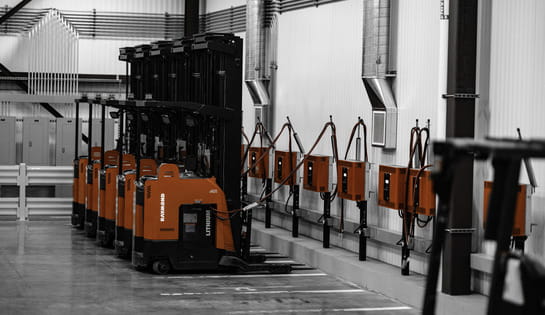
With the phasing out of gasoline-, propane- and natural gas-powered forklifts, the industry needs to embrace alternative fuel and energy sources. One viable option is lithium-ion batteries (LIBs) with Underwriters Laboratories® (UL®) certification. While lithium-ion technology is already a proven solution in the industry, offering superior performance and longer life spans than traditional lead-acid batteries, Raymond sees UL-compliant LIBs playing a pivotal role in meeting new regulatory standards, such as those set by CARB. These batteries not only help reduce emissions but also enhance the operational efficiency of the material handling, manufacturing and warehousing industries.
As more states follow CARB’s lead, businesses should consider how embracing cleaner energy solutions, like LIBs, can ensure regulatory compliance while enhancing productivity and profitability.
Understanding CARB and Its Impact on Forklift Operations
CARB leads the charge in setting emissions standards for various industries in California and aims to reduce air pollution and protect public health. Although CARB operates within California, its regulations often influence other states and industries, making compliance essential even outside the state. In June 2024, CARB made significant strides by passing the Zero-Emission Forklift Regulation, impacting forklift manufacturers and operators globally.
The Regulation is designed to reduce emissions from high-use equipment in industries such as manufacturing, warehousing and distribution. Key mandates include:
- Starting in 2026, dealers and rental agencies must comply with strict rules prohibiting the sale or rental of LSI forklifts that don’t meet zero-emission criteria.
- By 2026, manufacturers must produce only zero-emission Class IV forklifts for sale in California and must submit annual production and sales reports to ensure compliance.
- By 2035, all forklifts sold or operated in California must be zero-emission.
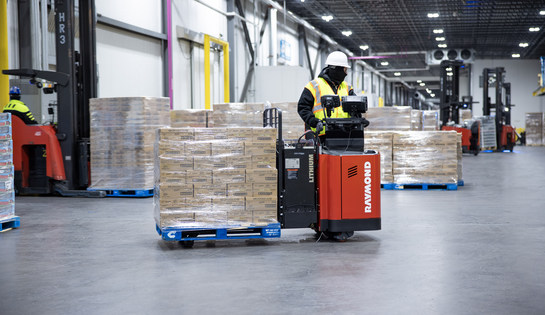
The Role of Lithium-ion Batteries in Zero-Emission Forklifts
As public and regulatory pressures increase, companies must consider alternative energy sources to reduce their carbon footprint while boosting productivity. LIBs are becoming the preferred power source due to their operational and environmental advantages:
- Longer life spans and reduced maintenance — Unlike lead-acid batteries, LIBs require no water maintenance, minimizing labor and operational disruptions.
- Fast charging — LIBs have fast-charging capabilities, which minimize the downtime a forklift spends idle recharging and lead to increased productivity.
- CARB-compliant — Lithium-ion technology helps significantly cut emissions, aligning with CARB regulations and lowering the carbon footprint.
By adopting LIBs, organizations not only ensure CARB compliance, but also enhance operational productivity and even profitability. Reduced downtime and fuel costs provide long-term savings, while the overall decrease in emissions supports a cleaner environment.
The Importance of UL Listing for Forklift Batteries
Various manufacturers offer lithium-ion technologies, but not all LIBs are equal in terms of reliability and performance. When switching to lithium-ion-powered forklifts, it’s crucial to use UL Listed batteries and charging equipment. UL is an independent third-party certification body that evaluates products to validate their performance and ensure compliance with operational standards.
By choosing UL Listed products, organizations can:
- Ensure the batteries have undergone rigorous testing for reliability in demanding environments, minimizing risks of fire or chemical hazards.
- Maintain compliance with industry regulations and reduce the risk of legal liabilities related to equipment failure.
- Adhere to broader industrial standards, offering peace of mind.
By investing in UL Listed equipment, companies transitioning to zero-emission lithium-ion-powered fleets can ensure compliance with both industry standards and regulations all while maintaining a high level of operational care.
As innovation continues to transform the material handling industry, regulations will evolve as well. Although regulations can add pressure, they also provide opportunities for enhanced operational efficiency and profitability. With California aiming for a zero-emission forklift fleet by 2035, it’s crucial for organizations to develop transition plans now to avoid future setbacks. By researching the regulations and understanding their impact, forklift fleet operators can select the UL Listed lithium-ion solutions that best suit their operations, ensuring seamless compliance and performance.
For manufacturers and distributors affected by CARB regulations, Raymond offers a range of zero-emission forklifts powered by UL Listed LIBs. Representatives at local Raymond Solutions and Support Centers are ready to help fleet operators and their businesses.
UL® is a registered trademark of UL LLC.
