Optimization Through Lean Management
-
Hear from Raymond’s Jack Kaumo and Keith Ingels as they discuss the benefits of optimization through Raymond Lean Management.
1. What is Raymond Lean Management and why is it important for our material handling organizations?
Keith Ingels:
"Raymond Lean Management challenges us to step back from basic thinking and assess our process, so establish 5s condition. 5s is a way to look at workplace readiness. I like to call workplace readiness, do we have the tools we need, the supplies we need, the training and experience we need to deliver that customer experience, is there an opportunity to redesign routes or how things flow through the process not maybe just a physical warehouse but even an office environment how things flow and eliminate anything that's unnecessary. That could be a physical barrier, or a process barrier and we start to change that thinking and move forward in a little different direction towards process."
"I'd like our audience to understand, this is how we approach supporting our customers, we want to help them with thinking about how they do the work and their engage their people to how they do the work and lead that into better process and better solution methods and that leads to the results of better business right if we give our customers great experience, they'll do more business with us and it really again it starts with those associates."
Time in Video: 4:30
2. How can you involve your workforce in the RLM program?
Keith Ingels:
“Find small areas to involve your associates. One of the questions I like to ask in coaching is, who is the expert of the work being performed? Pretty consistently people look around say well the person doing the work okay that's true, then what value do I bring as a coach or do the managers or leaders bring when they're walking through that area when we've identified the expert is the one doing the work all the time. We bring the value of asking great questions or providing the opportunity to say, “Hey is there something about this that's difficult, is there something about this that you could make easier?” By using lean management, the company gets efficiency and effectiveness, but the team gets a boost in morale. Morale is one of the areas we actually measure, I know there's not a there's not a dial we can put on somebody's head, I can't reach out and say how's your morale today and you know I can't do that. However, we do try to get a feel for it, and when morale goes up it means we're engaging those associates. So, start small with workplace organization and we’ll go into more advanced things like, how we flow our processes and additional solutions from different equipment or things we use differently, tools, or different technical solutions now to support that process as we move forward. Interesting thing about customers they always want more, so we want to engage workforce that can always learn to deliver more.
Time in Video: 11:11
3. Examples of Lean Management in the workplace.
Keith Ingels:
Time in Video: 13:12
4. How do RLM and Automation work together?
Jack Kaumo:
“When we approach customers that are seeking automation, we use a philosophy we call, "Optimize before you Automate". That premise is based on our RLM program and what Keith is talking about and the idea behind it from any technology solution we have. Most importantly automation, is that our customers have done something to make their process better so that you're not just automating an inefficient process."
Keith Ingels:
"We have to think about the process because an automated solution is usually going to speed up what we're doing if what we're doing creates a lot of problems or what we're speeding up, we don't have room for the inventory or we don't have a way to get the inventory out once we speed it up. You want to be careful when you start speeding up a process if everything in the system, in the process, can get it in the door and back out the door into our customer base so the RLM piece helps us step back and look at that, because when automation's used in the right application it's fantastic. Sometimes you know we'll hear people talk about how automation is going to reduce the workforce level. That's never been my experience, my experience is we want to use our people in those creative areas where they bring the greatest value to their role and not in those repetitive motion areas where automation is a really fantastic solution."
Time in Video: 20:38
5. How might Kaizen (Workplace Improvements) help your operation's culture and morale?
Keith Ingels:
“The people doing the work are the experts. They are the ones who will see the opportunities for innovation that those of us not doing the work all the time wouldn't pick up on. You need someone in the day-to-day struggles to come up with innovative ideas and, as a leaders or coaches, it's your job as an outside set of eyes to ask questions and to engage workers. We all rely on tribal knowledge, but if you challenge the way someone does something and engage those creative juices, that's the power of a kaizen project and you're going to get all sorts of fantastic solutions from your associates. If it's difficult, look for ways to make your work easier. Empower people and support them the right ways, because they're going to make your kaizen projects really impactful."
Time in Video: 33:07
You May Also Like:
Raymond Forklifts
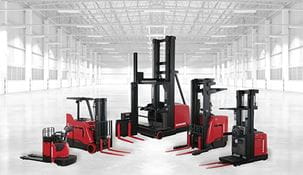
Raymond manufactures innovative electric lift trucks that deliver a lower total cost of ownership.
Learn More
Warehouse Products
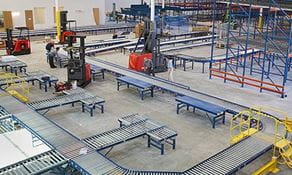
Learn more about the warehouse products offered by your local Raymond Solutions and Support Center.
Learn More

Warehouse Optimization Solutions
Manage smarter with fleet optimization, warehouse management systems and labor management solutions.
Learn More
Automated Solutions
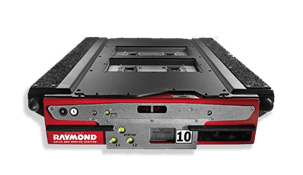
Let our experts evaluate your operation to determine if automated warehouse systems are right for you.
Learn More
